Skills Applied
Scale
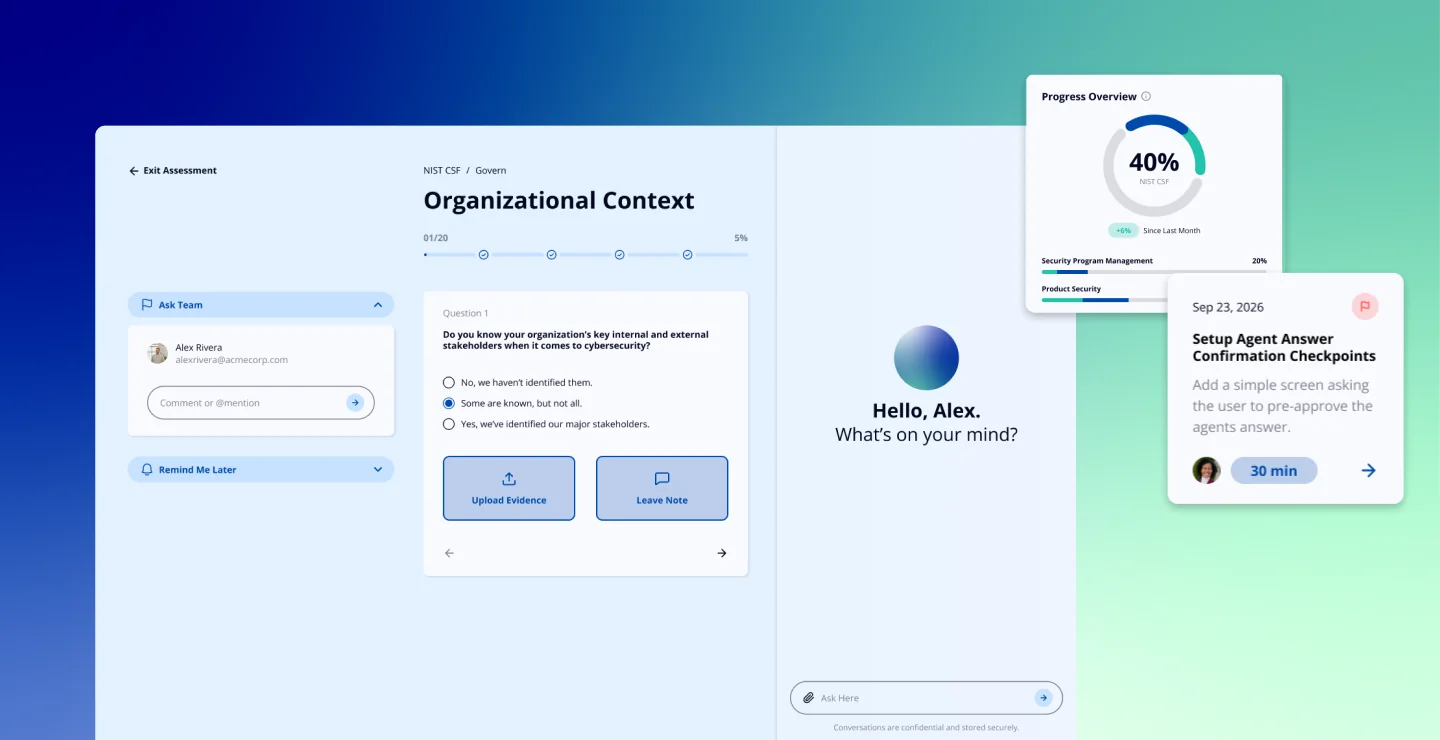
Cortile is an early-stage AI-native GRC SaaS startup helping fast-growing SMBs without a dedicated security team build real security and get compliant, mapping their setup against frameworks like SOC 2, ISO 27001, NIST CSF, and GDPR, and turning each gap into a guided, verifiable task that can be completed without prior cybersecurity knowledge.
Scope
Owned the 0→1 product and go-to-market strategy, overseeing a team of 10+ engineers, designers, and analysts, incl.:
- (a)Developing the MVP from concept to launch by leading user discovery, defining and prioritizing the product backlog, owning the product roadmap, and aligning stakeholders around a shared product goal through Scrum.
- (b)Defining brand identity, competitive positioning, and marketing strategy by distilling user interviews, competitive intelligence, channel analytics, and A/B tests into a value proposition used in sales enablement material.
- (c)Facilitating investor communication by designing pitch material, sizing the market opportunity, and developing a value-based B2B pricing strategy.
Constraints
Early-stage team and resourcing required staying scrappy and adaptable, continuously assessing the effectiveness of each measure against its resource requirements. Communicating across different continents required dedicated planning and aligning the team around a common goal. Leading this team while pursuing my MBA simultaneously was one of the most stressful and exciting times of my life.
Area of Responsibility 1
Agile Product Development & Management
The Challenge
Compliance demands are a real dealbreaker for startups and SMBs without dedicated compliance expertise, preventing them from unlocking the revenue they need to grow and sustain their business.
Competitive solutions are too complex to engage with, since they're built with enterprise clients in mind and prioritize auditing speed over auditing quality, putting their clients at risk. With Cortile, I took on this challenge to build the MVP, then v1, of an AI-native compliance platform that's intuitive to use, context-aware of the client's unique business, and fast to execute without compromising audit quality.
My Approach
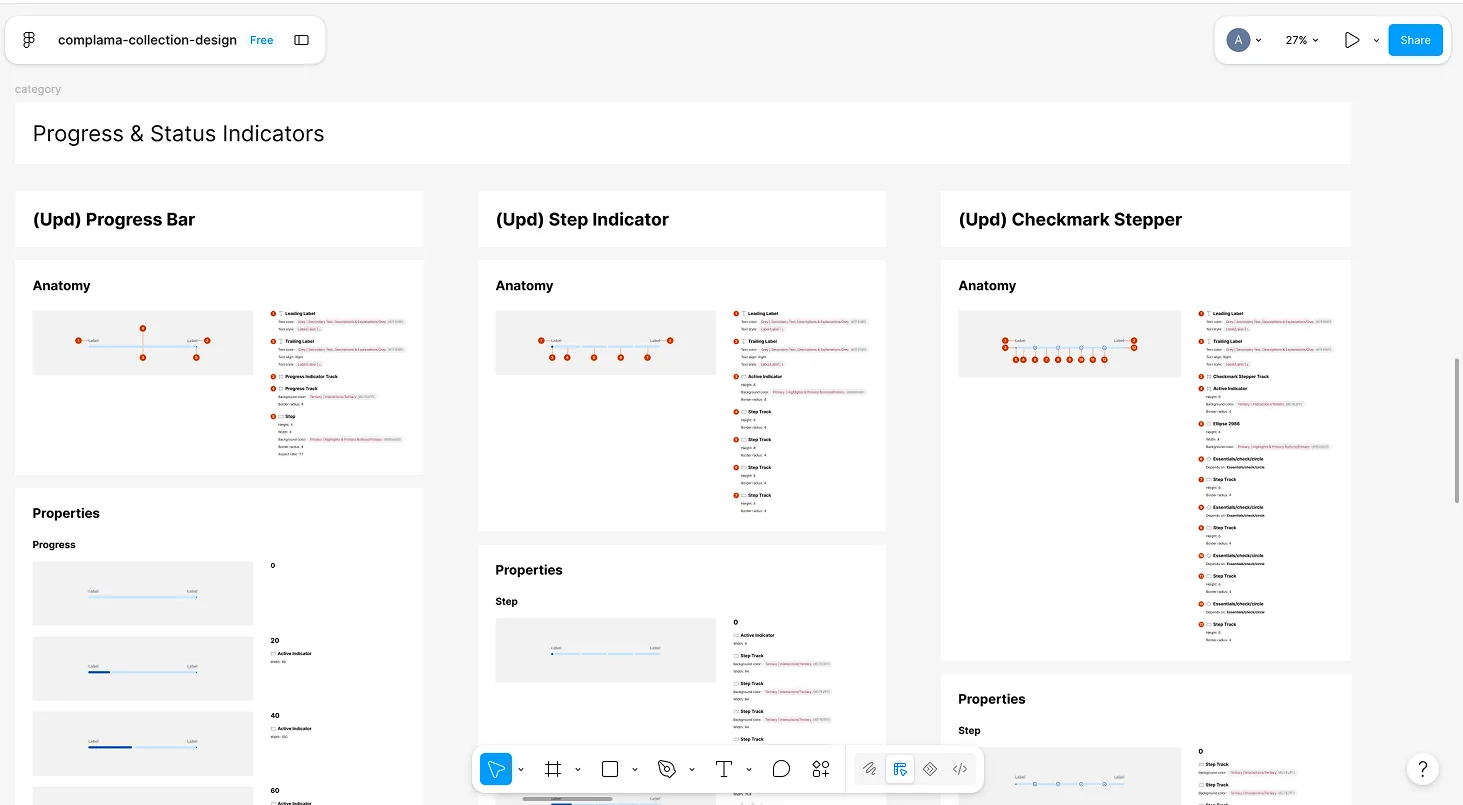
- Design System: Established a design system by shaping a UX/UI language focused on calmness, minimalism, and gamification elements, overseeing iterative development by designers and handoff to engineers. This resulted in 50+ design components, including different states (hover, deactivated, error), responsiveness, imagery, and icons.
- MVP & Launch: Oversaw feature development for the MVP and initial public launch by defining and prioritizing product requirements based on customer discovery, leading sprint ceremonies, writing user stories, managing the product requirements document, and scoping the product roadmap across a 10+ person team of engineers, designers, and analysts.
Core product functionality included:
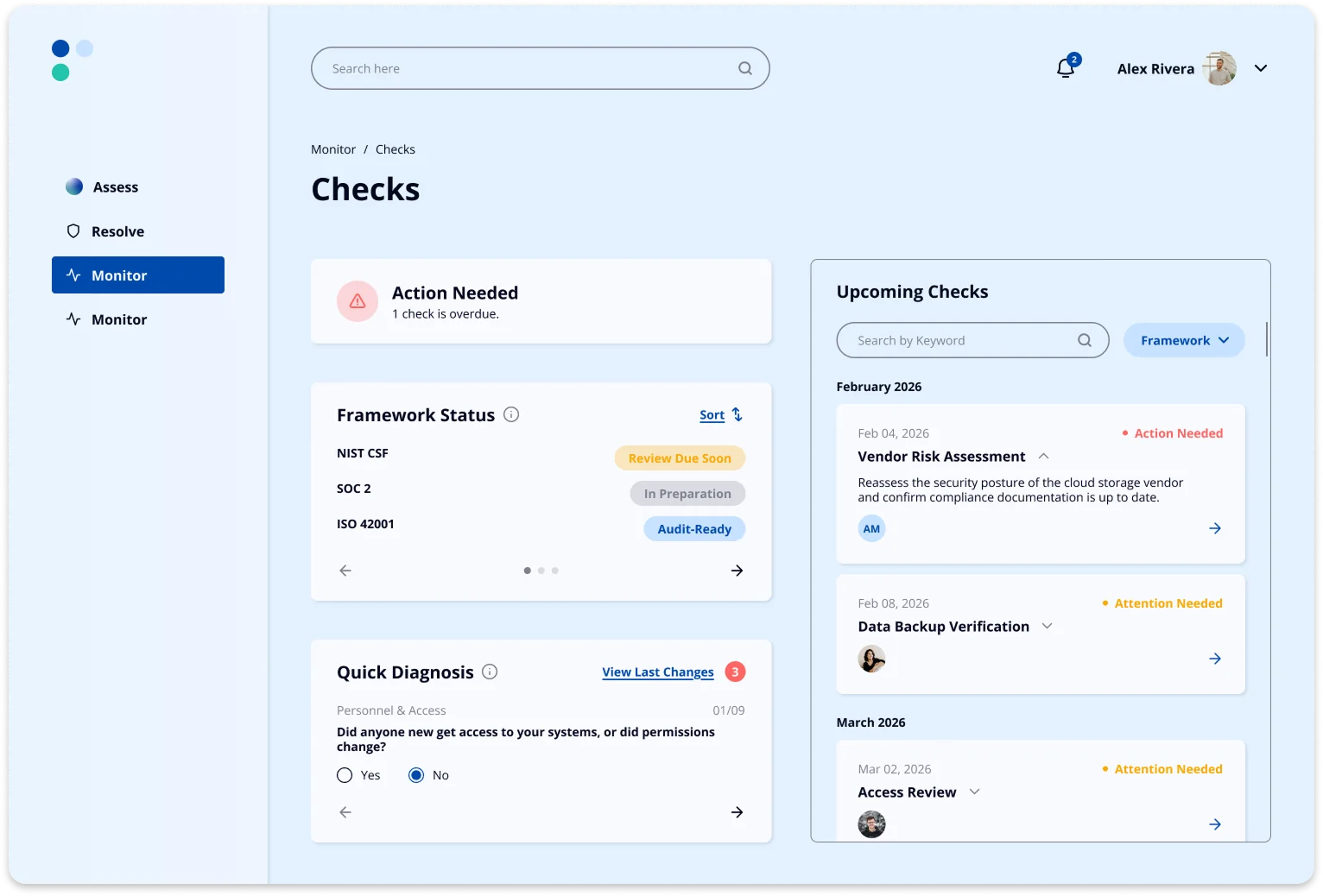
- 01Login and registration flow
- 02Account setup and management
- 03Dashboards surfacing assessment progress, to-dos, and deadlines
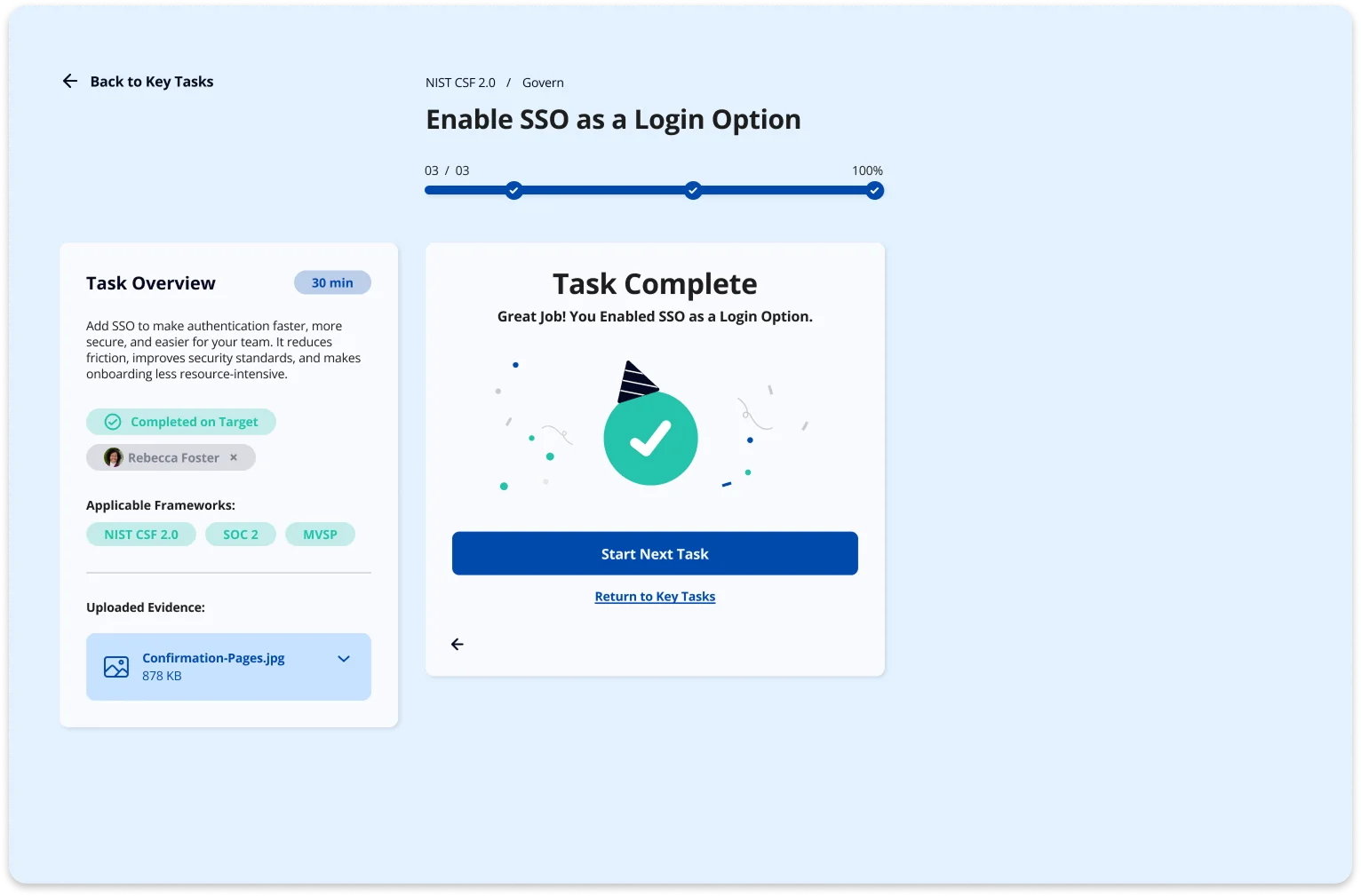
- 04Baseline collaboration tools, such as comments and task assignments
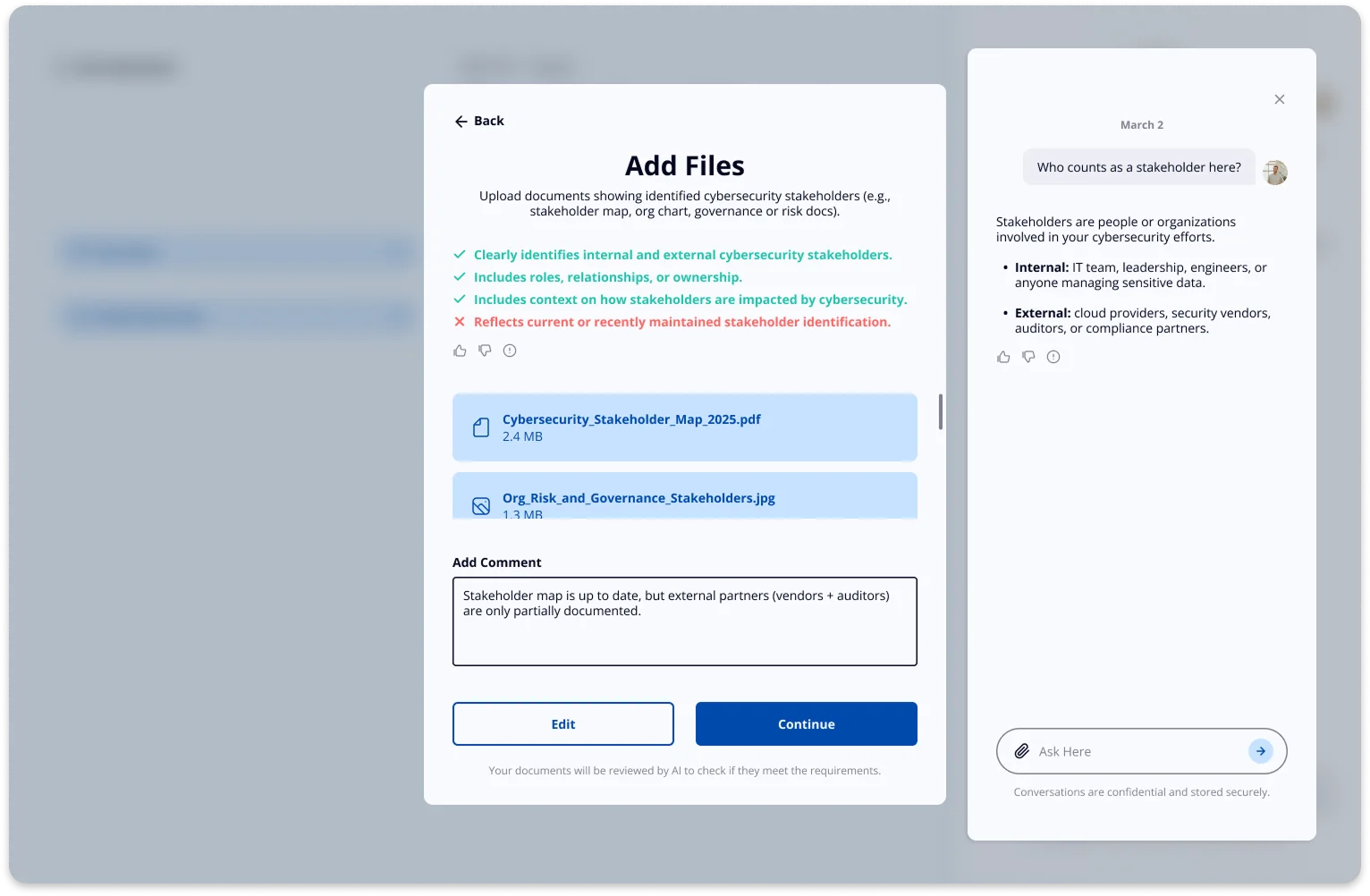
- 05Assessment questionnaire, including document upload, task assignment, and comment functionality
- 06Remediation workflow, including to-dos, step-by-step instructions, and intelligent document scanning
-
07
Agentic Functionality: Built
- (a)a context-aware conversational AI assistant that sits alongside every task;
- (b)intelligent document scanning that automatically maps uploaded documents against compliance requirements; and
- (c)automatic evidence gathering that keeps track of all uploaded evidence applying to a given compliance requirement.
The conversational AI assistant, integrated with the Supermemory API, holds account and session context (identity, current task, prior actions), so a user can ask a direct question, such as whether they need to re-authenticate a connected cloud provider, and get an answer grounded in their actual current state, not a generic response that requires them to re-explain their setup.
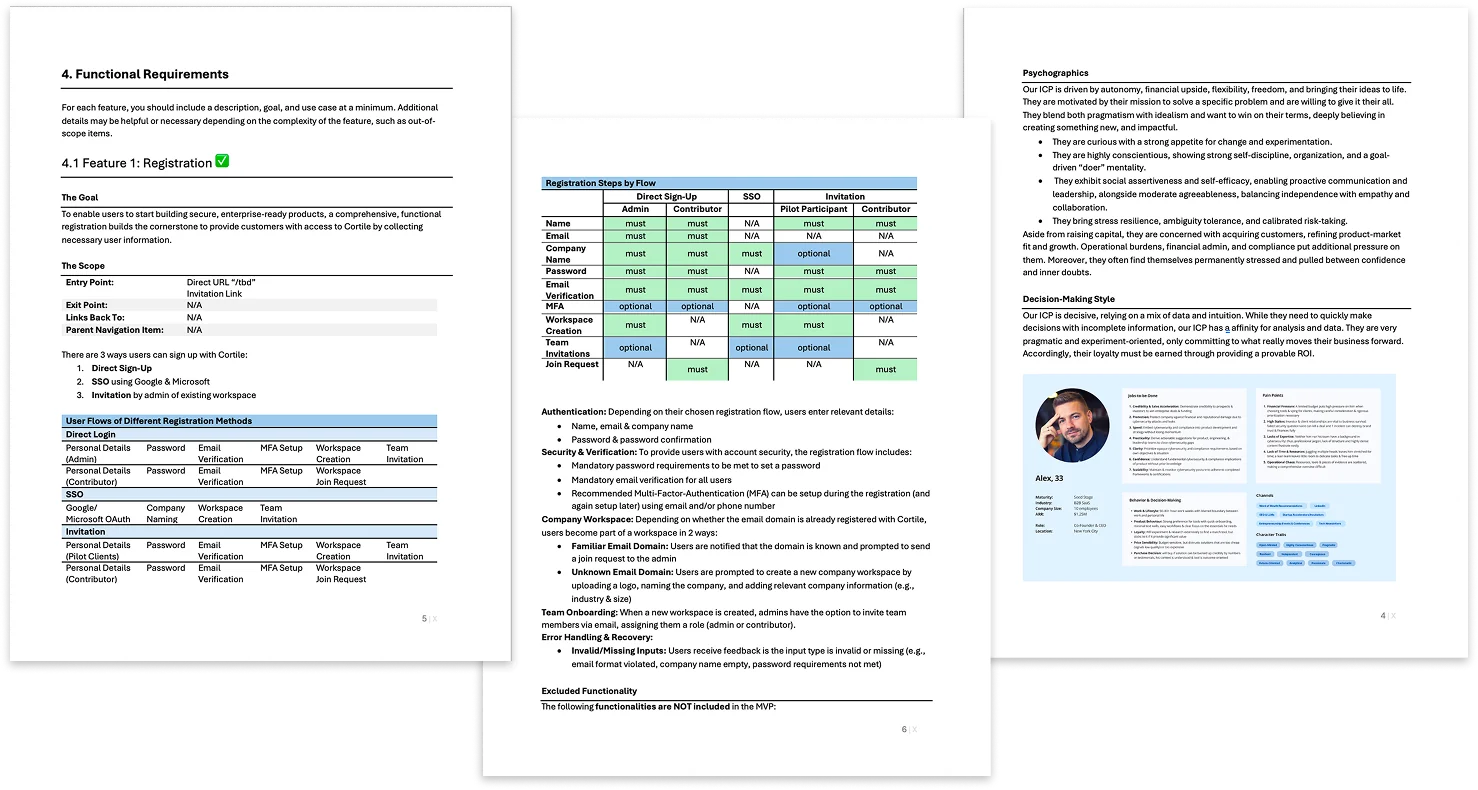
I structured product development according to agile and Scrum principles, implemented in two-week sprints. In practice, I took the customer needs identified in interviews and quantitative research, rewrote them as user stories, and captured them as product requirements and backlog items in Jira to collaborate with the development team. I also owned the PRD (Product Requirement Document), capturing summarized insights on the business case, a product overview, and higher-level feature specifications. My 9-person development team consisted of both developers and designers, since UI design and development are sequential and collaborate closely.
Each product requirement consisted of:
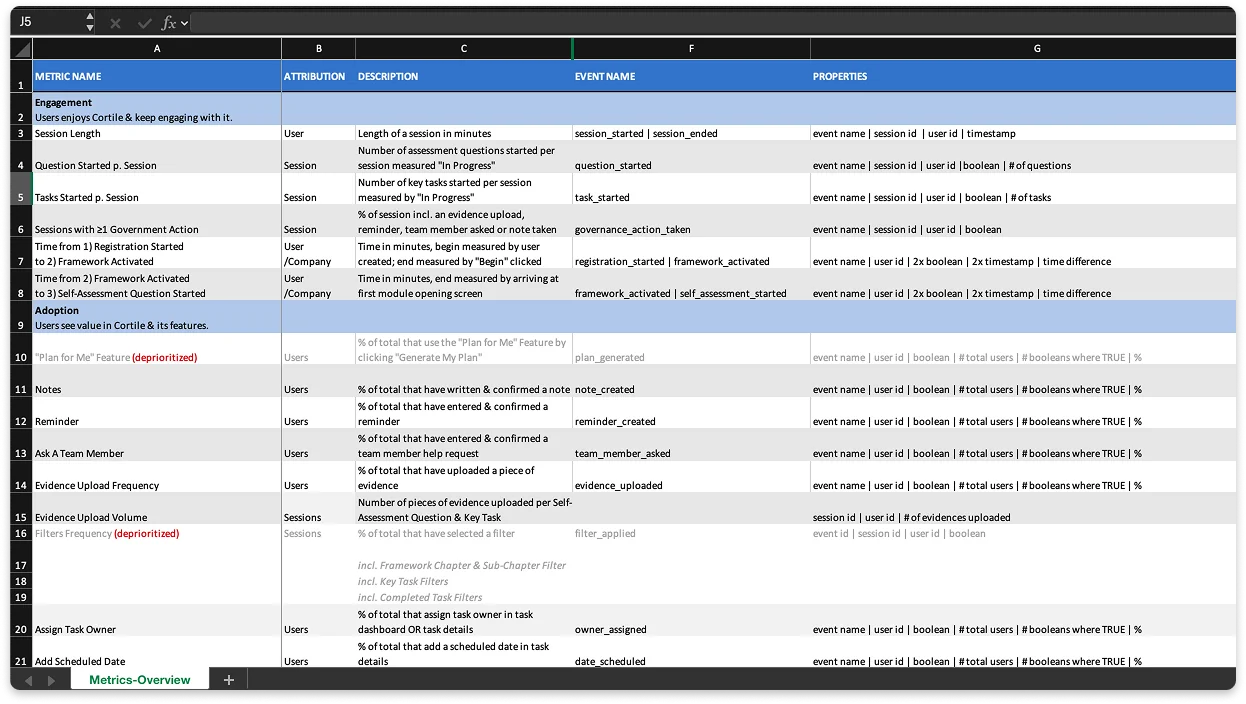
- Product Metrics: Defined product metrics according to Google's HEART framework, spanning happiness, engagement, adoption, retention, and task success, an effective way to assess the MVP across the entire user journey. Alongside defining the metrics, I validated their data manifestation in the database and implemented their calculation in the code with developers.
What I Achieved
- 3 AI-native features shipped, including a context-aware conversational AI assistant on the Supermemory API that answers account- and session-specific questions without the user re-explaining their setup, and agentic document scanning, cutting users' manual compliance workload by 60% based on user needs surfaced in 8 interviews.
- Scaled the platform from 0 to 8 paying customers by defining product vision and roadmap, owning the PRD and user stories, prioritizing the Scrum backlog, and establishing success metrics to track adoption and engagement.
Area of Responsibility 2
GTM Strategy & Market Positioning
The Challenge
Cortile entered a GRC/compliance-automation market already occupied by well-funded, well-known players, including Vanta, Drata, Sprinto, and Delve, as a founder-led AI compliance startup with no existing market presence. As a team, we knew from professional experience that there was an opportunity to be served. Defining our target group, USP, and how this should be both marketed and sold was what I contributed to the founding leadership team.
My Approach
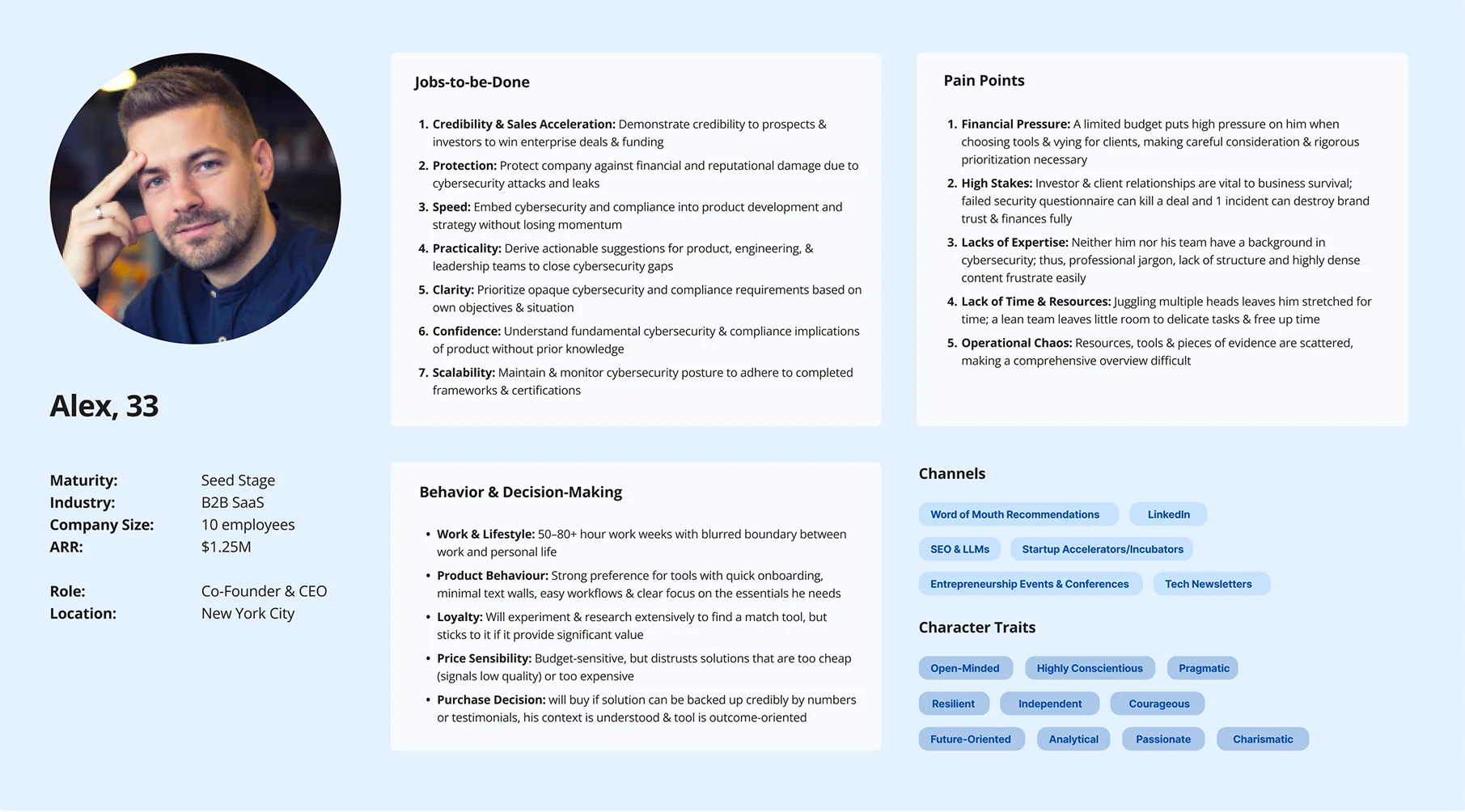
- Customer Research & ICP: Ran 8 customer interviews and quantitative customer research to build a detailed ICP (Ideal Customer Persona) covering demographic, firmographic, behavioral, and psychographic drivers, as well as channel behavior.
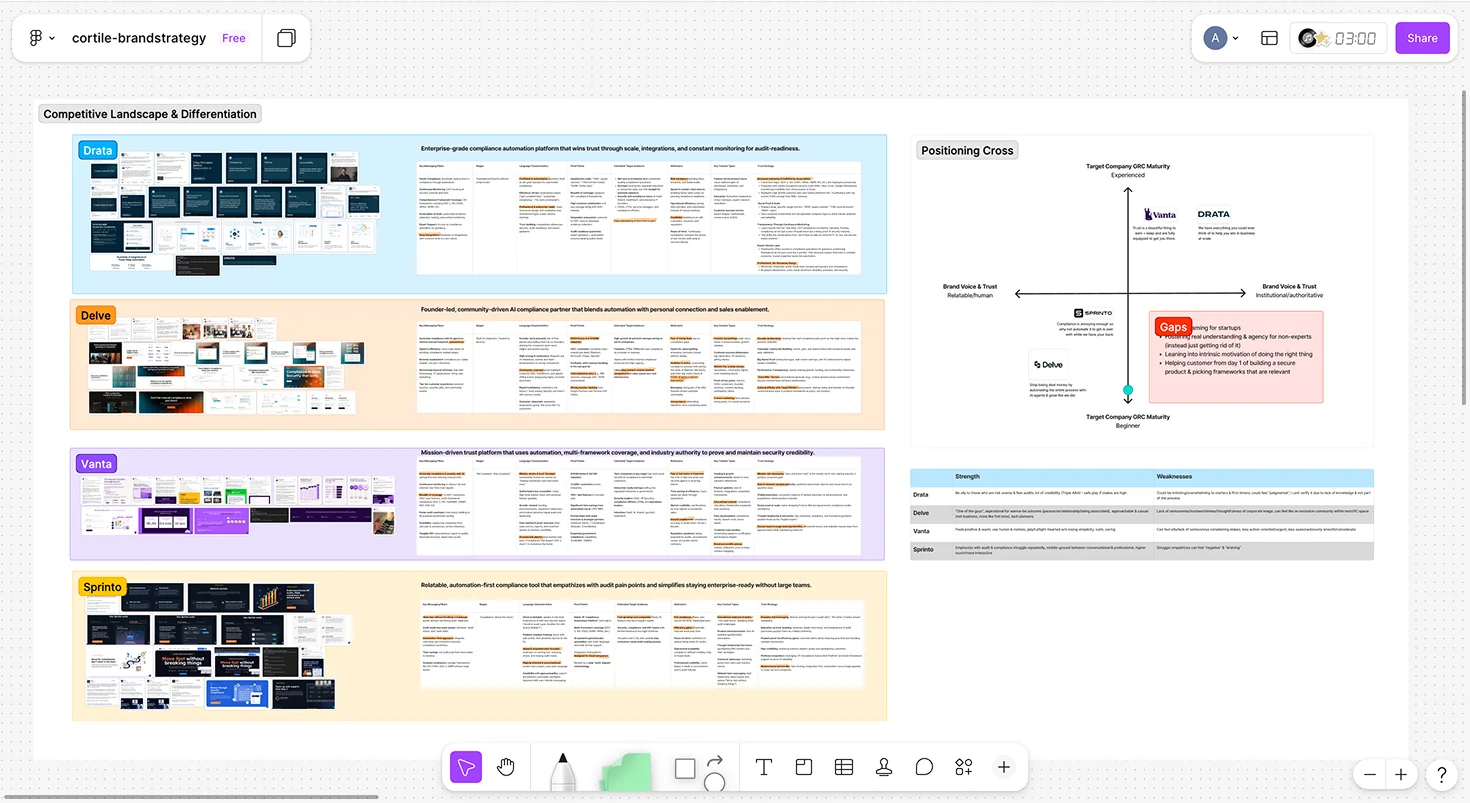
- Competitor Teardown: Ran a teardown across 12 direct and indirect competitors, benchmarking them across 11 categories, including user demographics, product characteristics, marketing strategy, distribution, and pricing.
- Positioning Map: Mapped every core competitor on a 2×2 positioning map (institutional-vs-relatable brand voice against beginner-vs-experienced target maturity), uncovering a substantial gap: nobody was credibly serving beginner-maturity companies with a voice that was both relatable and substantive.
- Value Proposition: Synthesized the research into the value proposition and brand-messaging framework that shaped both my product decisions and marketing operations.
- Customer Journey: Mapped the full customer journey from Awareness through Advocacy, defining messaging, channel, and tactics at each stage.
- Channel Execution: Implemented messaging and tactics into Cortile's digital channel presence for inbound marketing and sales, including management of our LinkedIn, Reddit, and X accounts and our website.
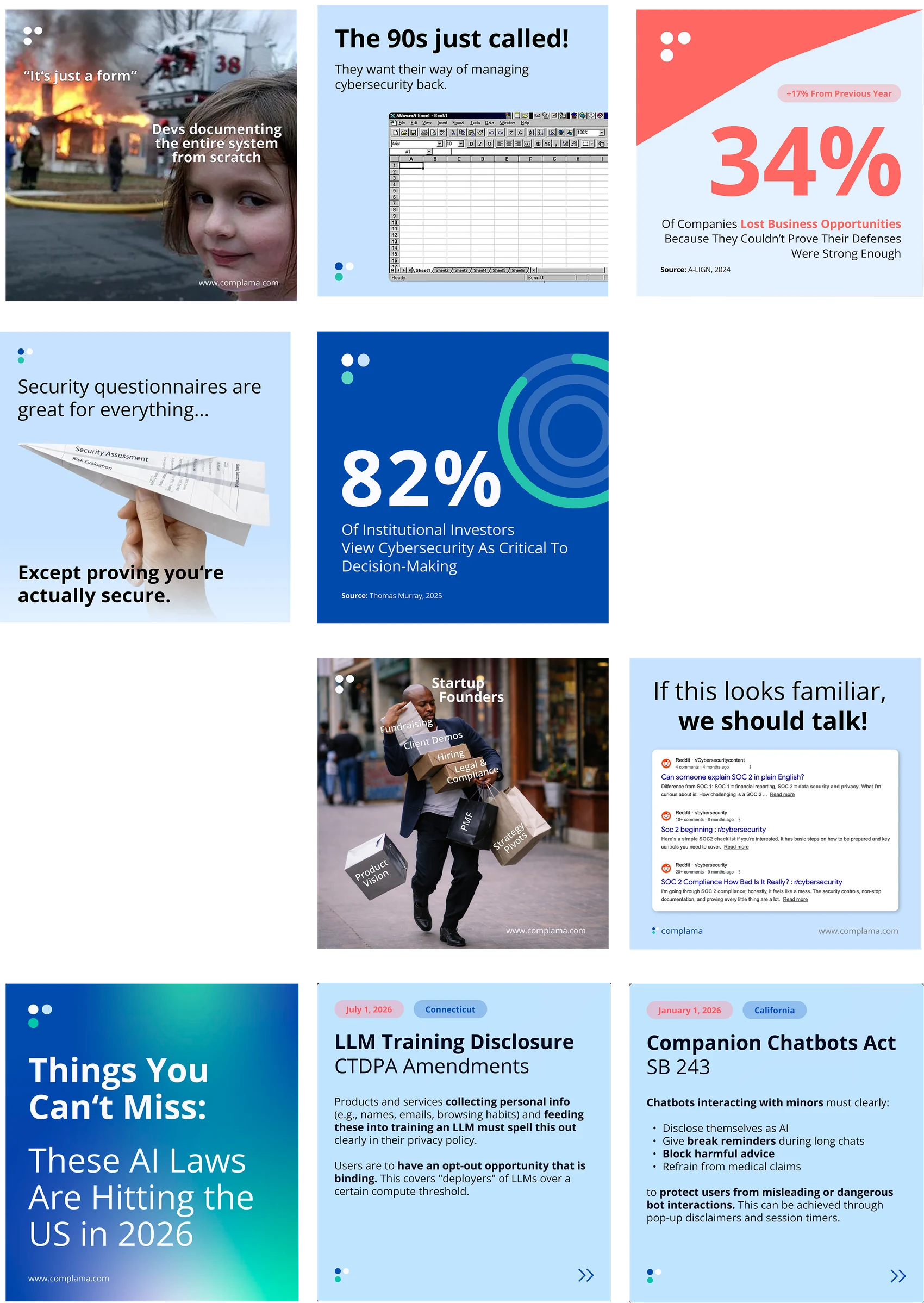
Data analytics and A/B testing were the foundation of refining my strategy. While the default social media analytics tools gave a good overview, I ran my own analytics via Excel and SPSS, with visual exploration in Tableau. Core to this work were also 32 A/B tests on the relevancy of our proof points, content types, and tones of voice. Over time, I built an automatic Excel-to-Tableau-to-deck-generation workflow, validating the automation through routine sampling.
Top 3 Insights I Gained
Market to our target group as consumers, not professionals.
Because of the smaller size of their companies and the psychographic pull of their entrepreneurial spirit, running a more B2C-like content and communication strategy yielded higher engagement, resulting in more impressions and inbound sales calls.
Cybersecurity and compliance marketing cannot be boring.
The core challenge as a marketer is shifting perceived urgency for a product that's preventative in nature: you know cybersecurity matters, but you're likely to postpone prioritizing it until damage is done. I tackled this by reframing the gain from "prevent damage" to "increase revenue" across all messaging and content, backed by case studies.
Lean into building a community.
I embraced the shared experience of small firm size and founder experience with our target group. We're positioned to grow with them as an easy-to-use, company-integrated sales enablement tool, a sentiment also evident in my product decisions through the context-aware, persistent-memory AI and agentic functionality that free up time in our ICP's day to scale their company.
- Sales Enablement: Developed the sales material (including pitch decks and demo videos) used for our founder-led sales strategy, and executed outbound marketing and sales via LinkedIn, email, and in-person networking.
What I Achieved
- Generated 24 pilot sign-ups in 11 months by driving 0→1 go-to-market planning, mapping 12 competitors, creating competitive positioning, and validating value proposition and messaging in 32 A/B tests.
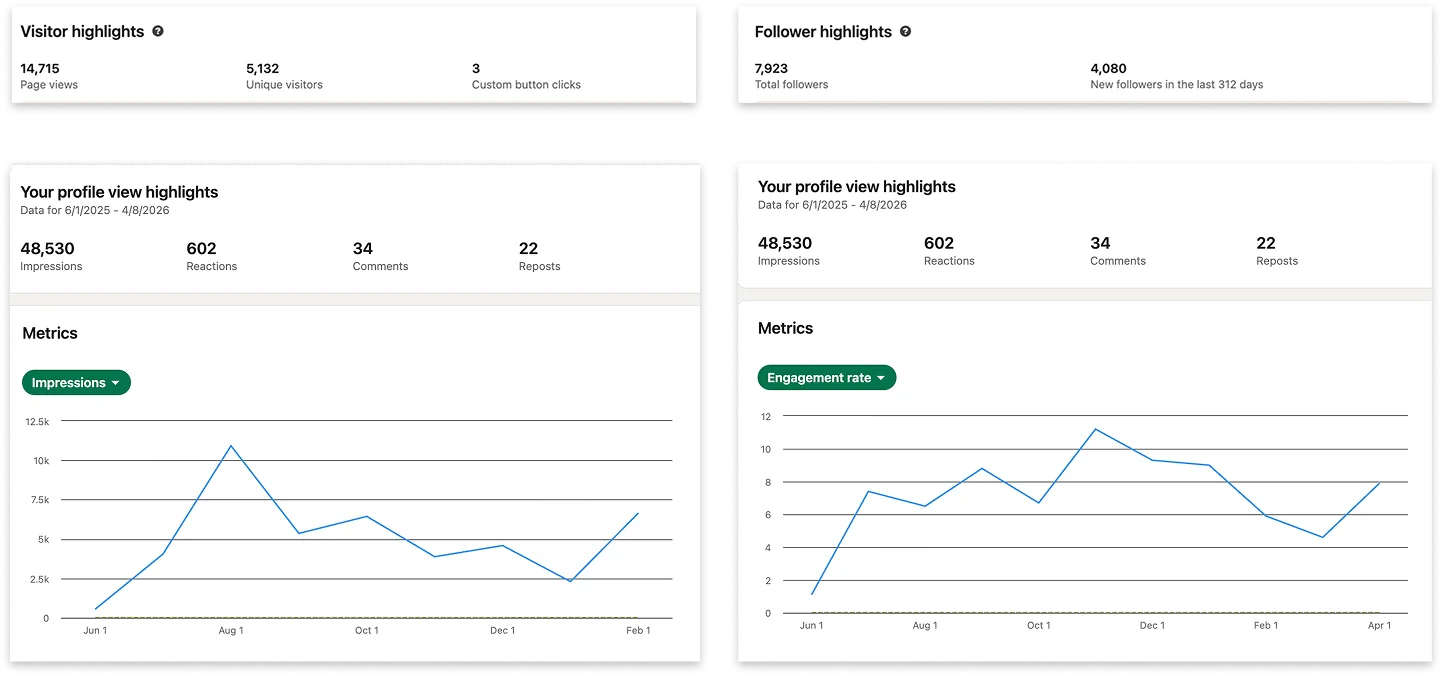
- Reached 48,530 impressions and gained 4,080 followers in 11 months through organic LinkedIn marketing, implementing my positioning and content strategy and continuously adjusting based on testing insights.
- Achieved 20+ inbound customer inquiries and 3 investor inquiries through the same content strategy, by actively managing our channel communities through content, comments, and direct messages.
Area of Responsibility 3
Market Sizing & Pricing Strategy
The Challenge
As a startup, fundraising was core to our business operations. In addition to identifying relevant VC outreach targets, I took ownership of our opportunity sizing and our plans for product monetization. The business case behind the solution had to survive investor diligence and quantitatively reflect the attractive return opportunity our product provides.
My Approach
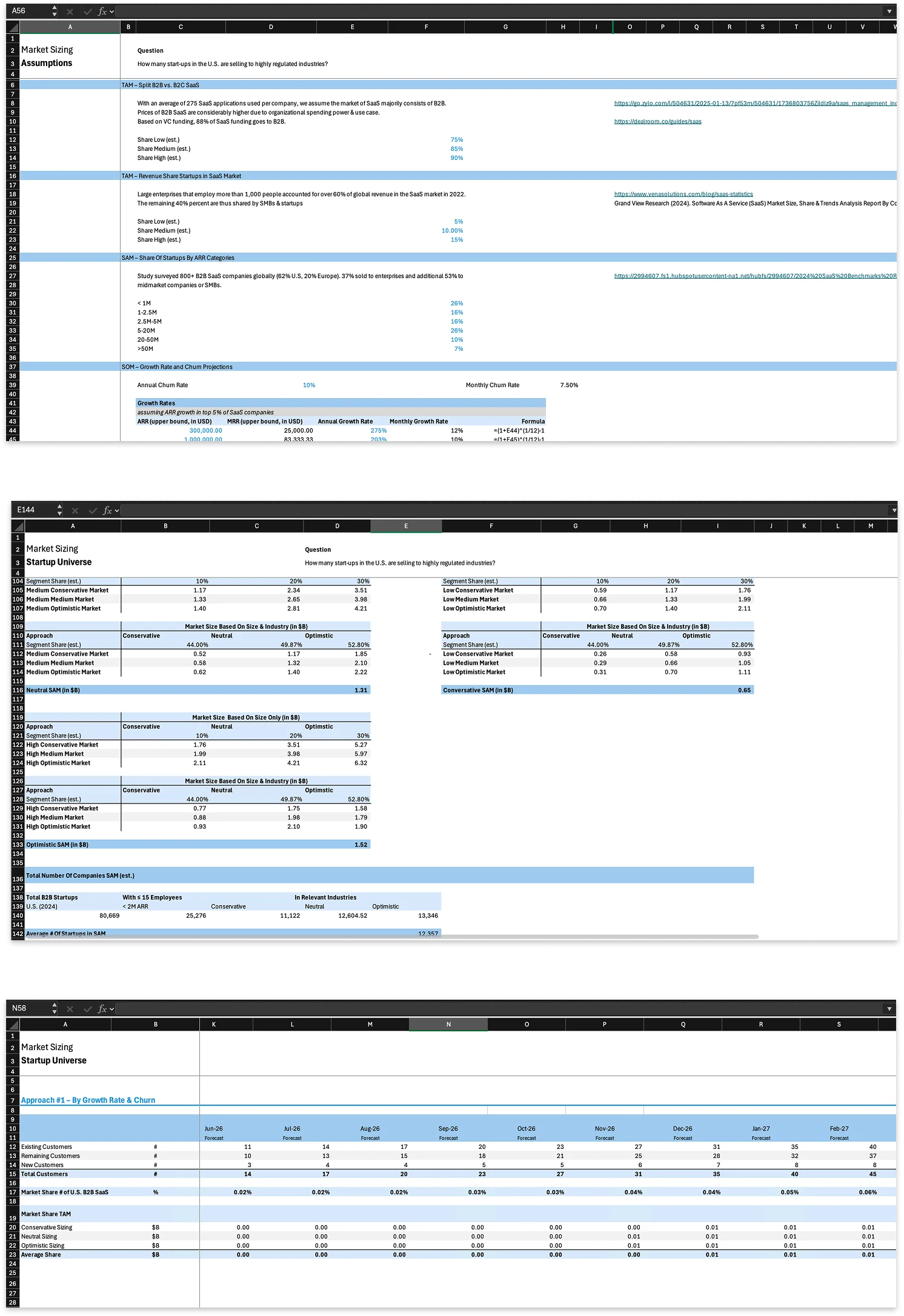
- Market Sizing: Built a top-down market sizing model, divided into TAM, SAM, and SOM, by conducting extensive quantitative research drawing from market reports and databases, and deriving grounded assumptions and approximations where data was incomplete.
- Cost Modeling: Modeled cost estimations across different user groups based on usage frequency. The cost of tokens is an inherent variable cost I had to consider in my calculations, which I did by combining model API costs, token benchmarks, and usage patterns to attribute cost to individual segments.
- Willingness to Pay: Synthesized competitive, customer, and market research to derive an estimate of willingness to pay and a value estimate for our product, the latter representing the cost of not using our product: the costs of cybersecurity incidents and lost sales expected on average.
- Pricing Strategy: Developed an initial tiered pricing structure designed to scale with customer growth, iterating on it by testing paid subscriptions against options to buy additional tokens on demand.
What I Achieved
- Derived an investor-ready $2.8B SAM quantified via top-down modeling, used to anchor investor conversations and product/segment prioritization.
- Developed a data-backed, value-based pricing strategy, with the subscription model plus on-demand add-ons as the monetization model.